VRN11: An Investigational Approach in EGFR-Mutant Lung Cancer
Unmet needs in EGFR-targeted therapy
Osimertinib is a standard treatment for EGFR-mutant lung cancer. However, it may not work equally well for everyone, and the cancer can eventually progress, spread to the brain, or become resistant. VRN11 is an investigational fourth-generation EGFR-targeted therapy being studied to address these limitations. This page explains key findings from VRN11 research shared in posters at conferences and in the company’s investor presentations.
VRN11 (VRN110755) is being studied in the REACH-EGFR clinical trial, registered on ClinicalTrials.gov as NCT07699328. On this page, “VRN11” refers to the investigational therapy and “REACH-EGFR” to the clinical trial.
The Evolution of EGFR-Targeted Therapies
EGFR-targeted therapies have evolved over time, with each generation developed to address resistance to earlier treatments. Third-generation therapies were introduced more than a decade ago.
VRN11 Beyond Third-Generation EGFR Therapy
VRN11 is being developed to address key limitations of current EGFR-targeted therapies, including brain metastases, diverse EGFR mutations, C797S resistance, and treatment-related adverse events. Below are findings to date in each area.
- CNS exposure — unbound CSF-to-plasma ratio 200% (Chapter 2 →)
- Target engagement across EGFR mutations — 4× for classic mutations and 140× for C797S (Chapter 3 →)
- C797S resistance after 3rd generation therapy — ORR 100% (6/6) in patients with C797S receiving ≥160 mg (Chapter 4 →)
- Safety profile — Grade ≥3 treatment-related AEs 2%; permanent discontinuation 0% (Chapter 5 →)
VRN11 and Brain Metastases
Brain metastases remain a significant concern for patients with EGFR-mutant lung cancer. In FLAURA2, approximately 40% of patients had CNS metastases at baseline.[1] Among patients with baseline CNS metastases treated with third-generation EGFR therapy, CNS progression was reported in approximately 20%, including new CNS lesions in approximately 12%.[2] In FLAURA2, median progression-free survival (PFS) with monotherapy was 13.8 months in patients with baseline CNS metastases versus 21.0 months in those without.[3]
After CNS progression, treatment options may be limited. NCCN Guidelines recommend considering local therapies such as stereotactic radiosurgery (SRS), whole-brain radiation therapy (WBRT), or neurosurgery depending on disease extent and symptoms.[4] These treatments may add further treatment burden for patients.
VRN11 was designed to achieve drug exposure in the CNS and is being evaluated for activity in patients with brain metastases.
Unbound CSF-to-plasma ratio (Kpuu, CSF) ()
When cancer progresses in the CNS during standard treatment, subsequent options may be limited. VRN11 was developed to achieve drug exposure in the CNS.
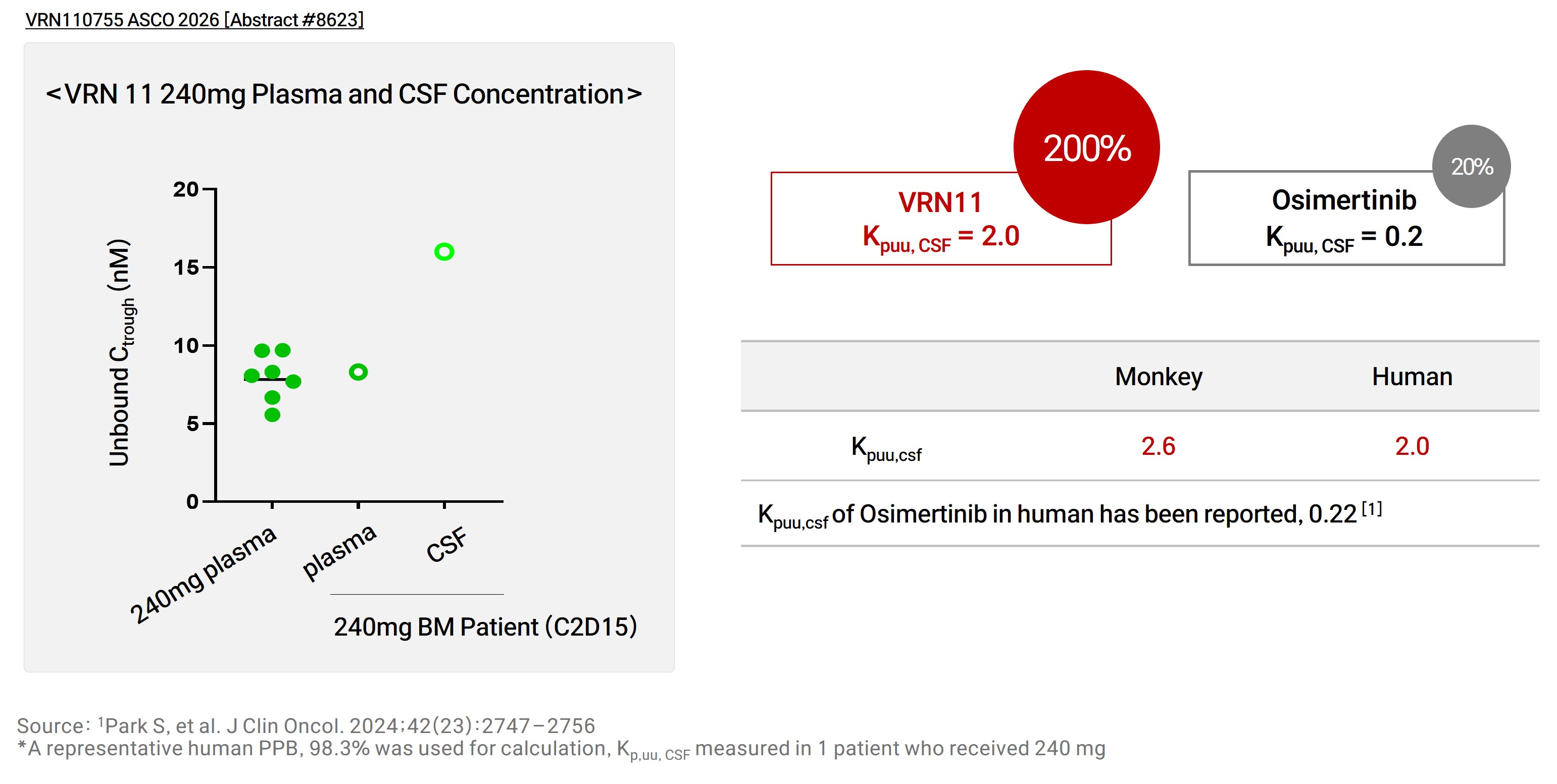
The CSF value shown in the graph (green circle) was measured in a patient who developed brain metastases after osimertinib treatment and received 240 mg of VRN11.
Comparison of Progression-Free Survival (PFS) and Intracranial Progression-Free Survival (iPFS) ()
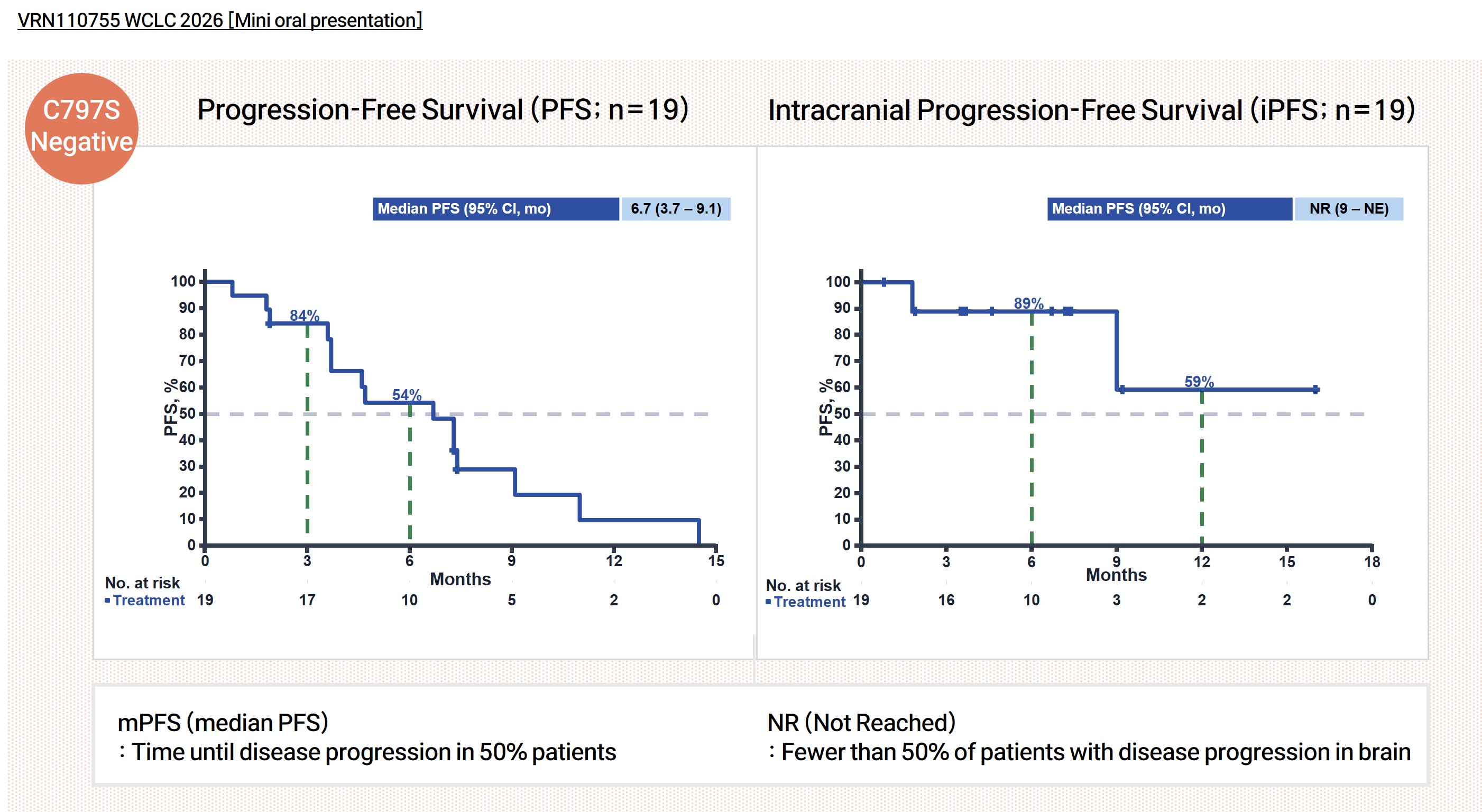
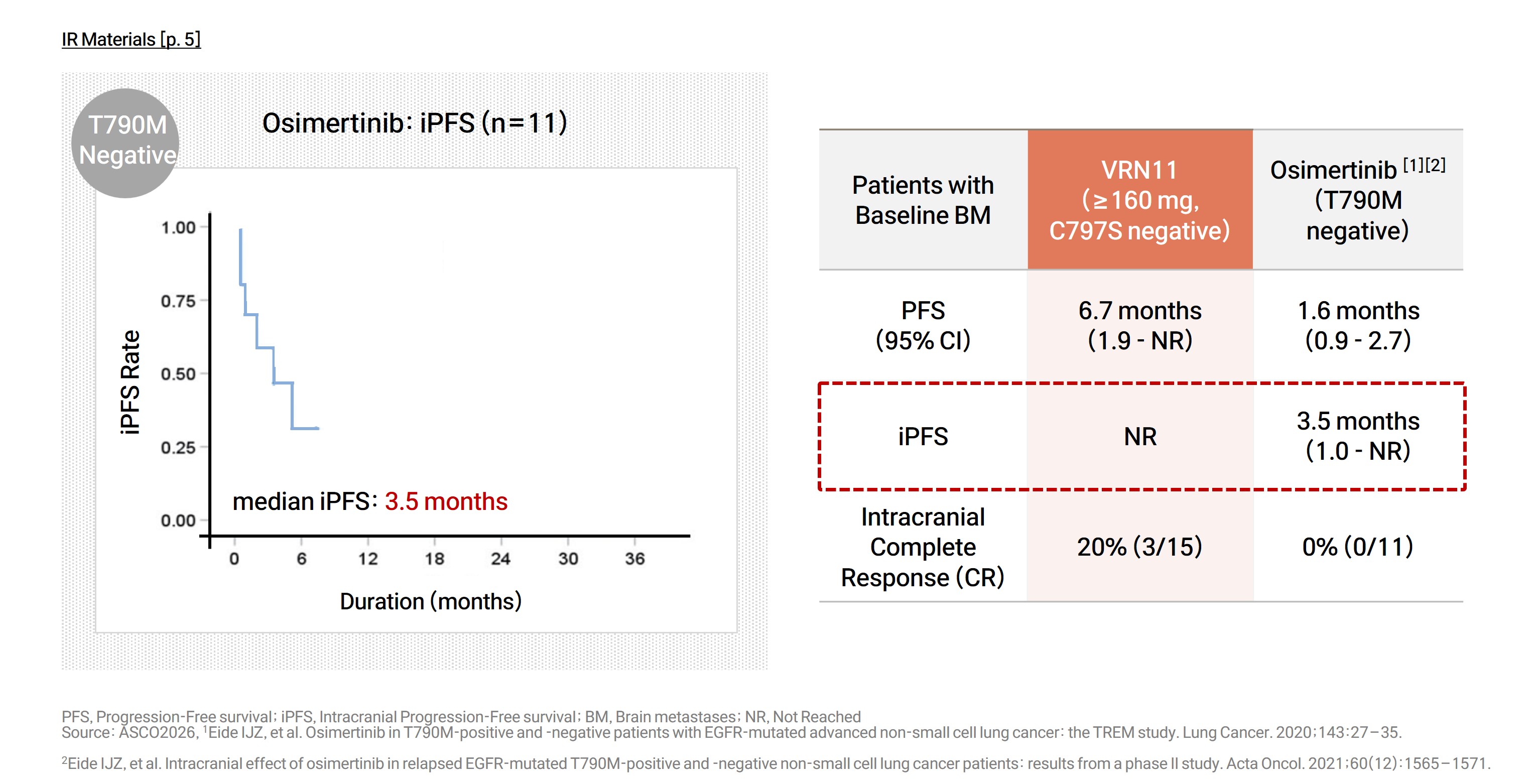
In the early clinical trial, some patients with brain metastases experienced shrinkage or complete disappearance of brain lesions. VRN11 data are based on 15 patients with brain metastases, 14 of whom had received prior third-generation EGFR TKI therapy (data cutoff: March 12, 2026). Osimertinib iPFS is based on 11 patients with T790M-negative brain metastases previously treated with first- or second-generation EGFR TKIs.
Brain Metastasis Responses After 3rd Generation Treatment Failure
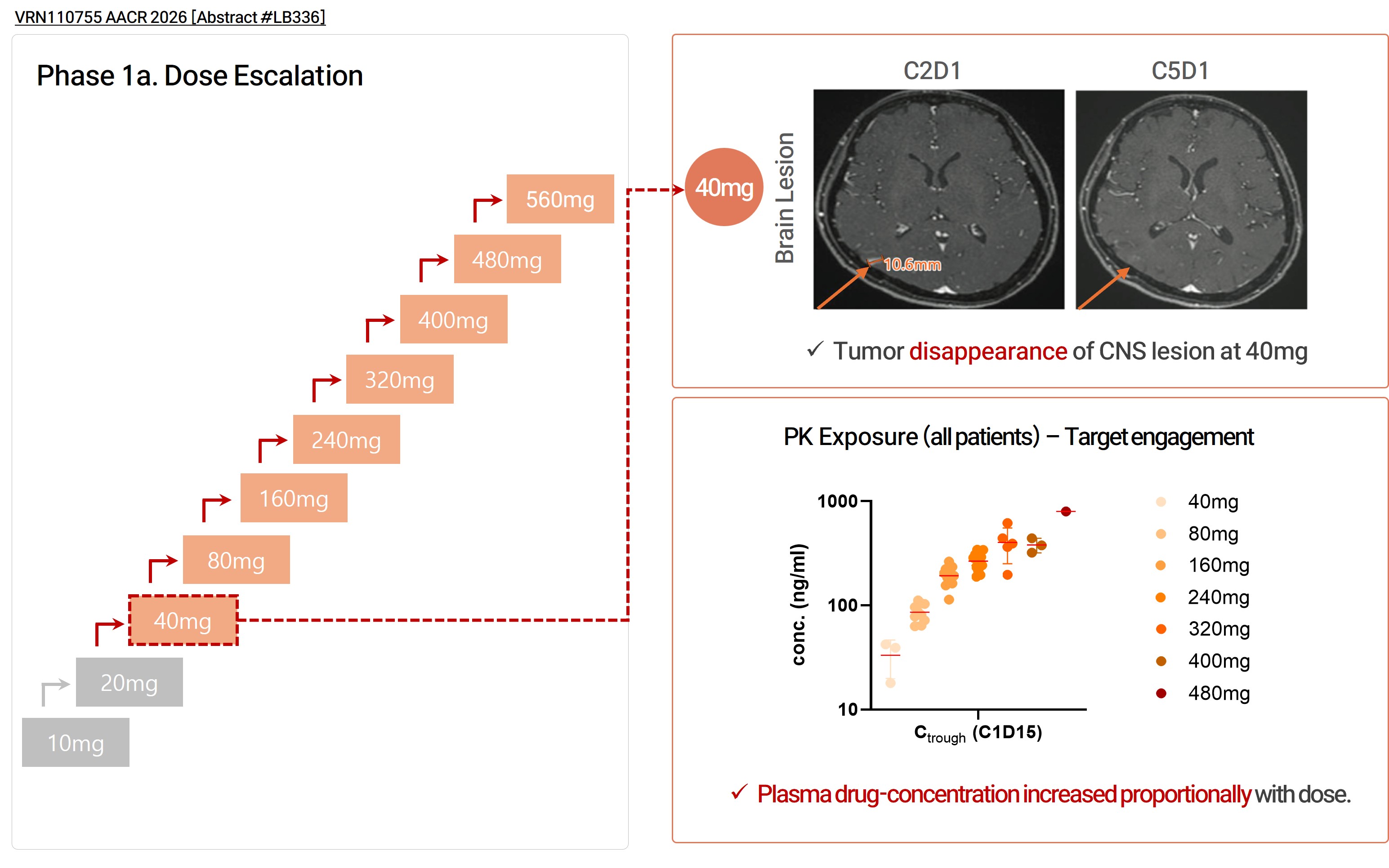
Brain Lesion Response Observed at a Low Dose
Disappearance of a brain lesion was observed even at the lowest 40 mg dose. PK analysis also showed that plasma drug exposure increased with dose.
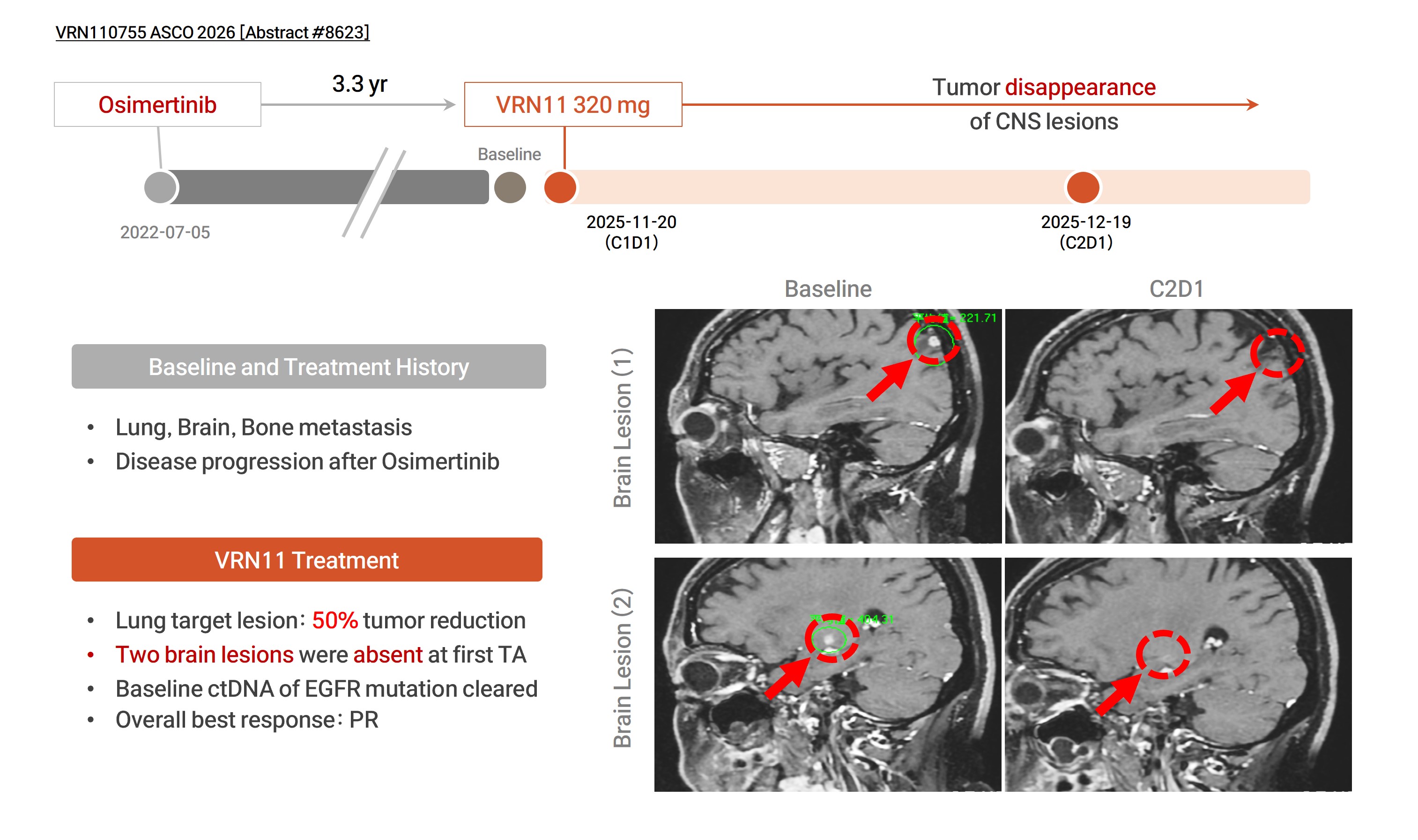
47-year-old woman · EGFR Del19/C797S
After more than three years of treatment with third-generation therapy including osimertinib, the disease progressed. Following VRN11 320 mg, the brain lesions were no longer observed.
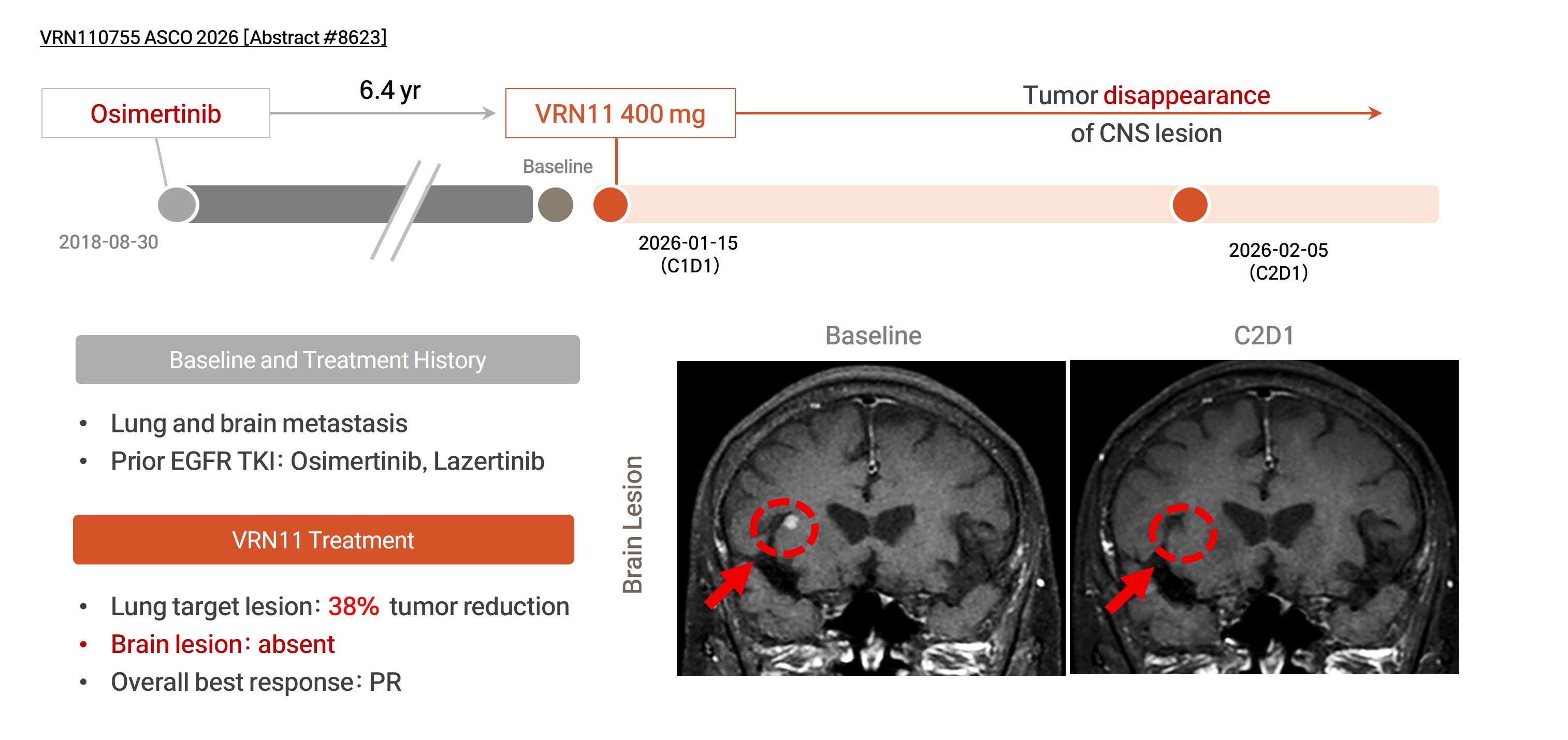
71-year-old man · EGFR L858R
After more than six years of third-generation treatment including osimertinib and lazertinib, the disease progressed. Following VRN11 400 mg, the brain lesion was no longer observed.
VRN11 Across EGFR Mutation Types
EGFR mutations include common alterations such as exon 19 deletions and L858R, as well as a range of atypical mutations. Existing treatments may work differently depending on the EGFR mutation. VRN11 is being studied across a range of EGFR mutations, including classic, C797S, and atypical mutations.
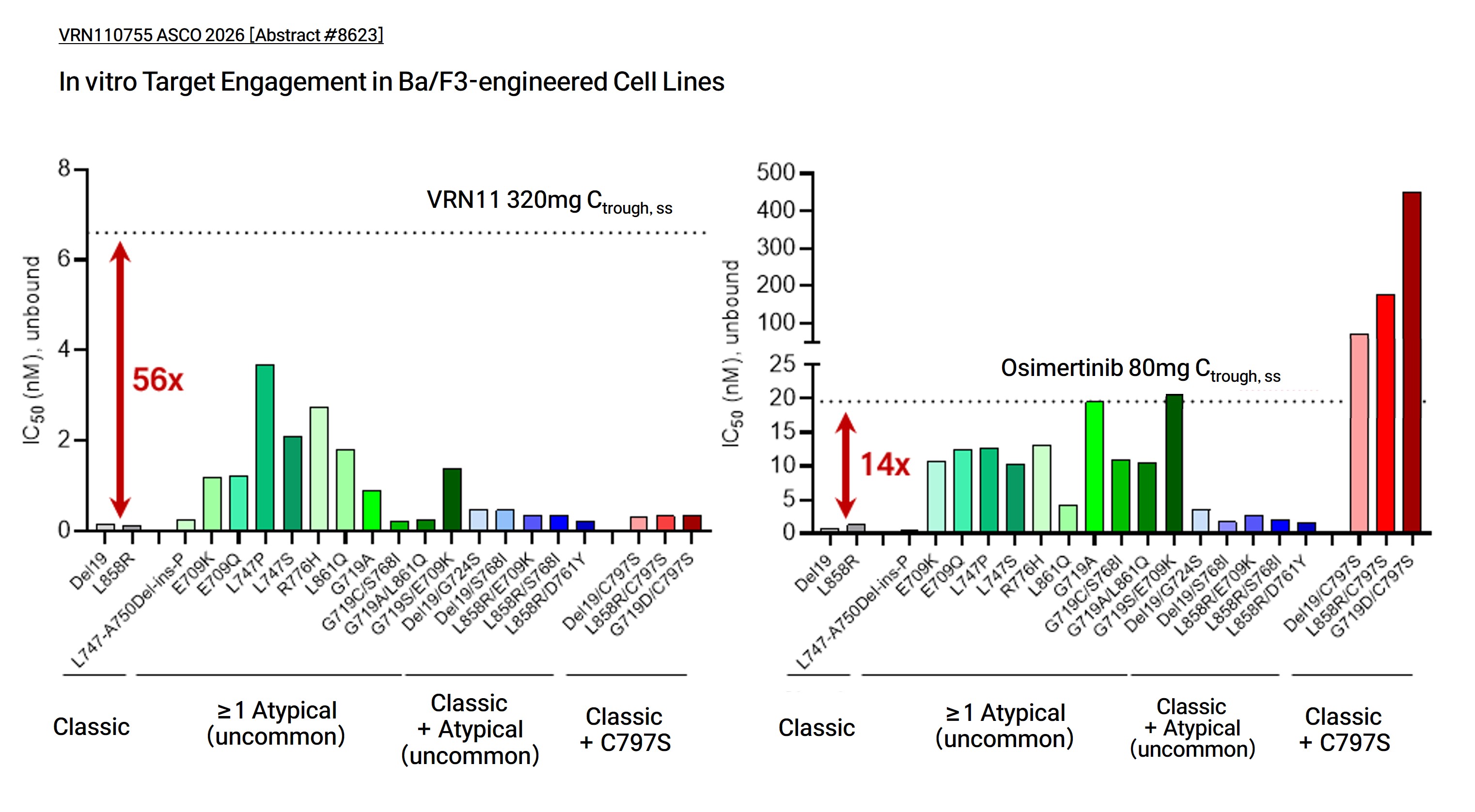
VRN11 showed potent inhibition of the proliferation of cells harboring a range of EGFR mutations in cell-based assays. Each bar in the graph represents the drug concentration required to inhibit proliferation of the corresponding mutant cell line by 50% (IC₅₀). The dotted line indicates the trough concentration at steady state following repeated dosing at 320mg, expressed on an unbound (protein-free) basis. The higher the dotted line sits above a bar, and the wider that margin, the more the circulating drug concentration exceeds the concentration required to inhibit cell proliferation. For classic mutations, this trough concentration was presented at approximately 56-fold the IC₅₀. Inhibition of cell proliferation activity was also observed against atypical mutations and against compound mutations including C797S, which is implicated in osimertinib resistance. ()
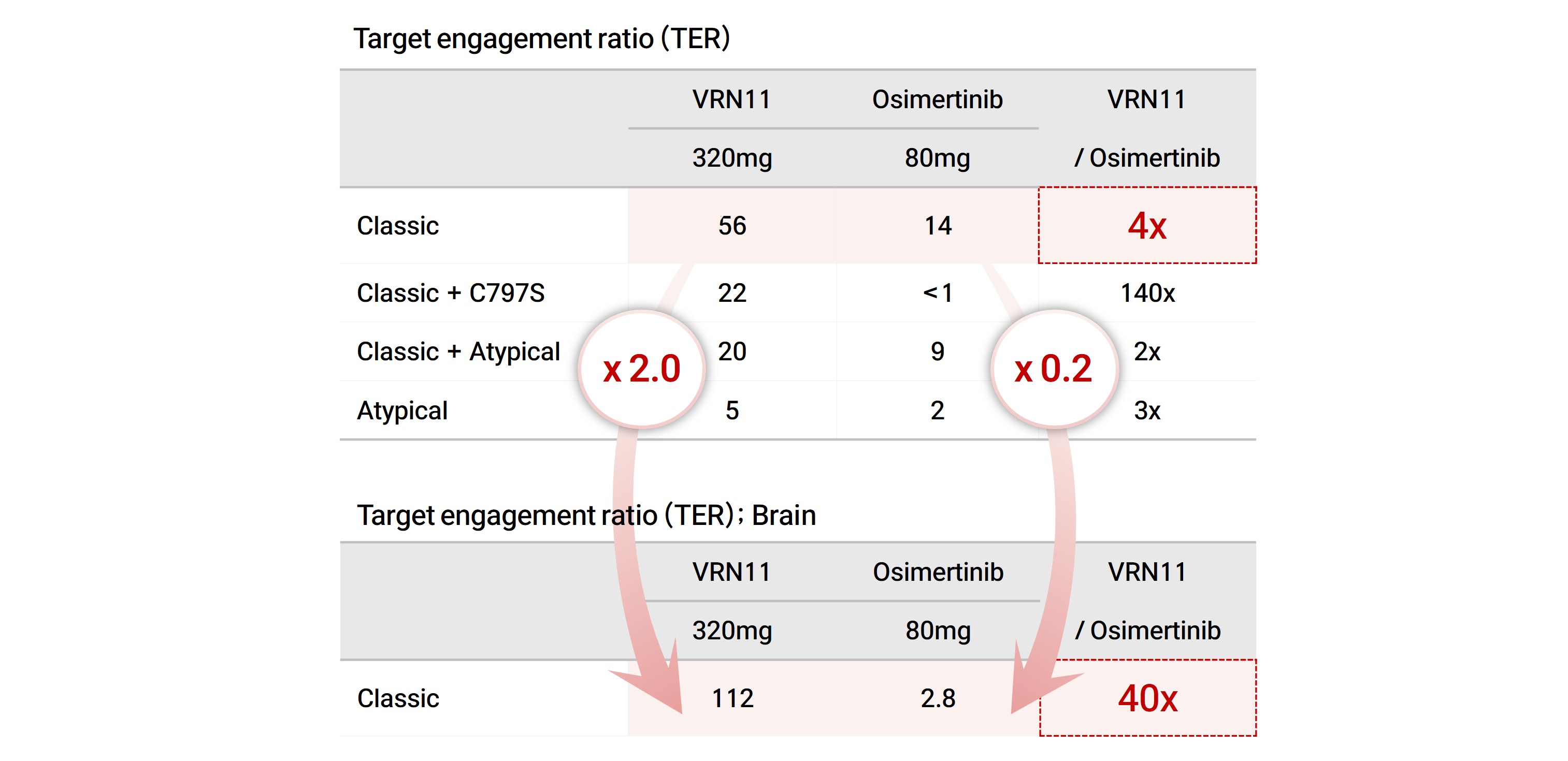
Target engagement is calculated as the ratio of actual drug exposure to the concentration required for tumor inhibition. For classic mutations, the modeled difference is 4× systemically; in the brain, incorporating the difference in CNS penetration (VRN11 200% vs osimertinib 20%; see Chapter 2) increases the modeled ratio to 40×.
VRN11 activity against the EGFR C797S mutation
Cancer can progress after treatment for several reasons. One is the emergence of a new EGFR mutation such as C797S. C797S has been reported in approximately 6% of patients after first-line osimertinib[5] and approximately 14% after later-line use.[6] There is currently no approved therapy that directly targets C797S. VRN11 was designed to inhibit this mutation.
Objective response rate (ORR; active-dose group ≥160 mg)
Patients With EGFR C797S · Best Response in Target Lesion Size in 6 Patients Receiving Active Doses (≥160 mg)
All six patients had a 40–52% reduction in target lesion size and achieved a confirmed partial response (cPR), with C797S ctDNA clearance observed in all
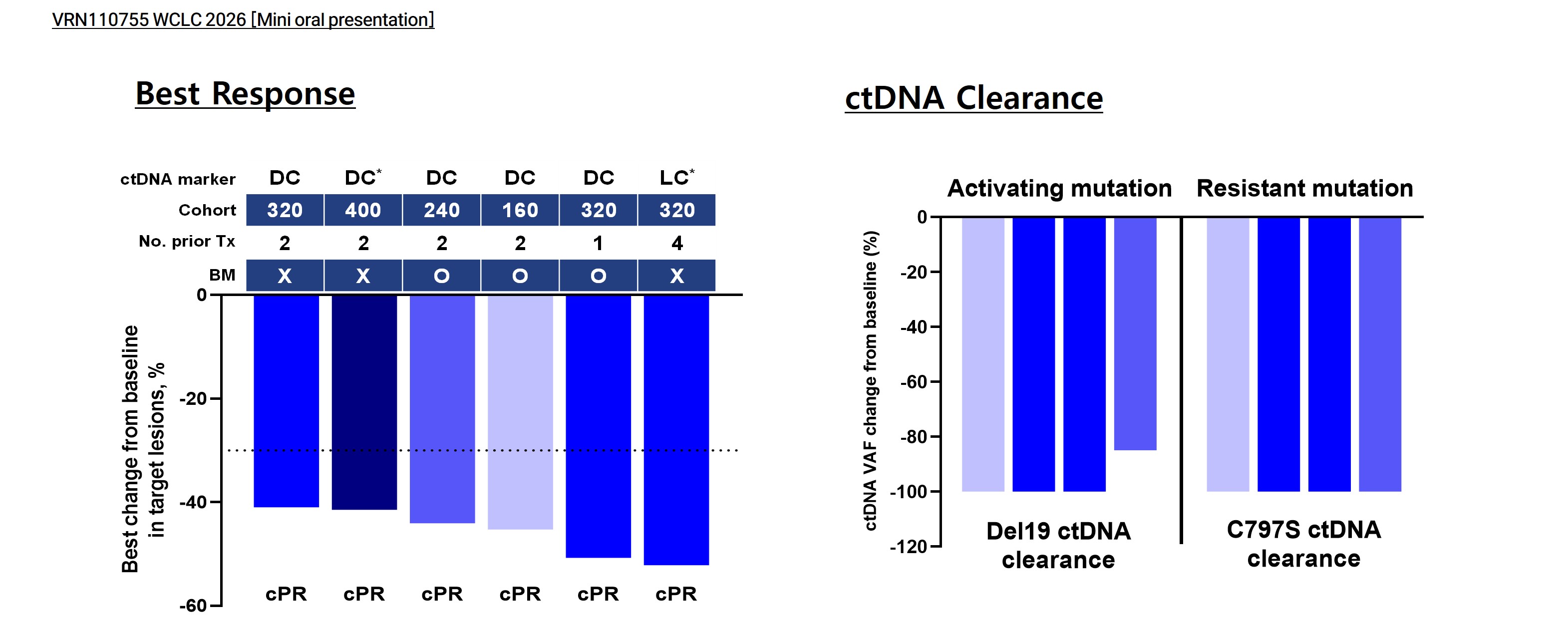
Bar colors indicate dose (160, 240, 320, or 400 mg). Tumor shrinkage was observed across active-dose levels.
VRN11's Safety Profile
VRN11 was designed to target cancer-driving mutant EGFR more selectively than wild-type EGFR, with the goal of reducing effects on normal cells. ()
Treatment-related adverse events ()
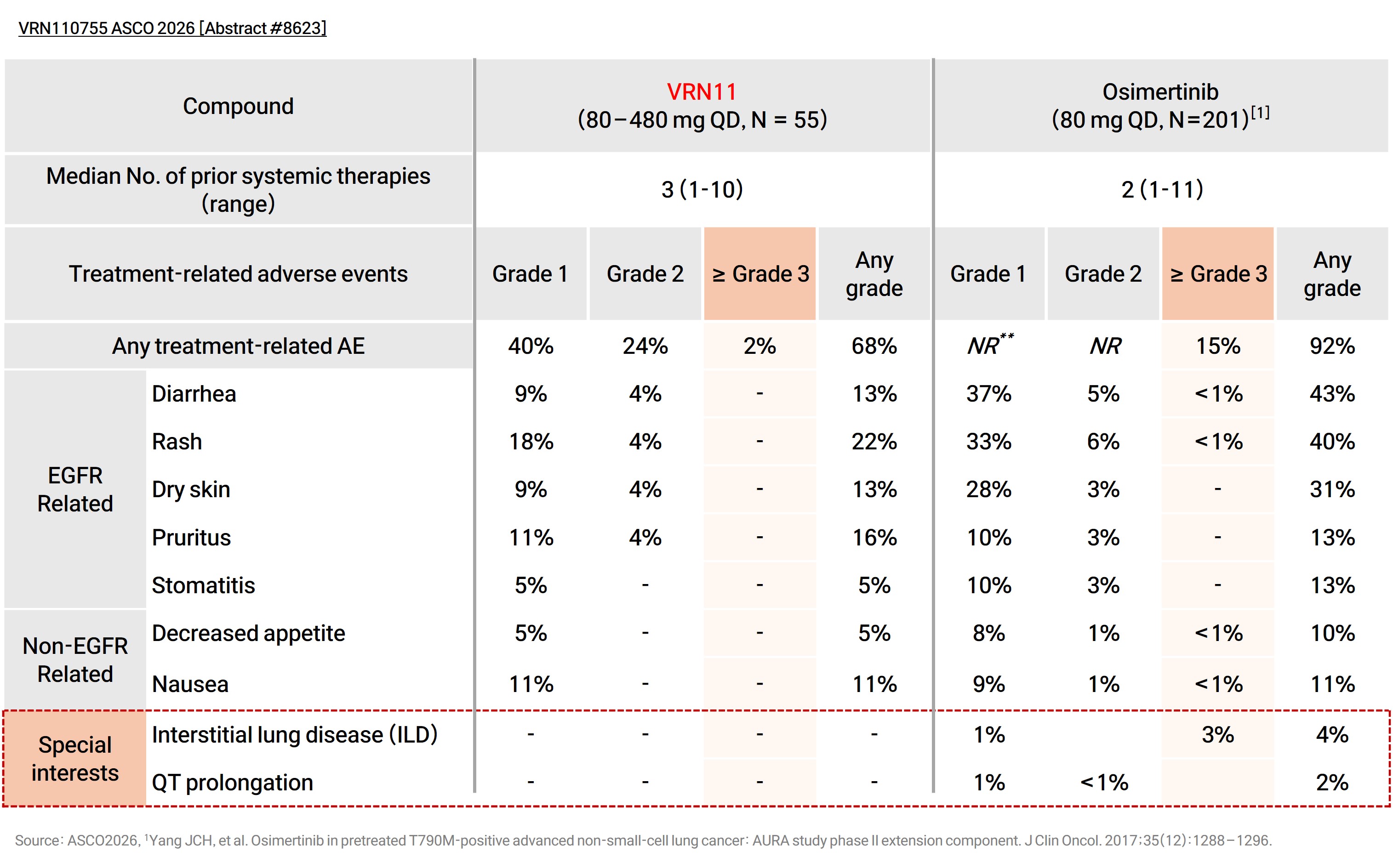
The most commonly reported treatment-related adverse events with VRN11 were Grade 1-2 rash (22%), pruritus (16%), dry skin (13%), and diarrhea (13%). There were only 2% of Grade ≥3 treatment-related adverse events. No permanent discontinuations due to treatment-related adverse events were reported through the dose level 480 mg. The osimertinib comparator shown in the table is based on the AURA study with 2L+ T790M-positive patients.
The main adverse events reported with VRN11 to date share two features.
- Detectable — These symptoms can often be seen or felt, making them easier to notice before they rise in severity.
- Reversible — When symptoms worsen, they have generally improved after treatment interruption.
Some anticancer therapies can cause adverse effects that are difficult to detect or may not fully resolve after treatment is stopped. The adverse-event pattern reported with VRN11 to date has differed from those types of toxicities.
Imaging assessments begin at Week 4, allowing for early evaluation of treatment response.
If the study treatment does not appear to be benefiting you, you can discuss next steps with your healthcare team, including stopping the trial and considering standard treatment options. Early assessments help determine whether continuing the study treatment is appropriate.
VRN11: Expanding into the First-Line Setting
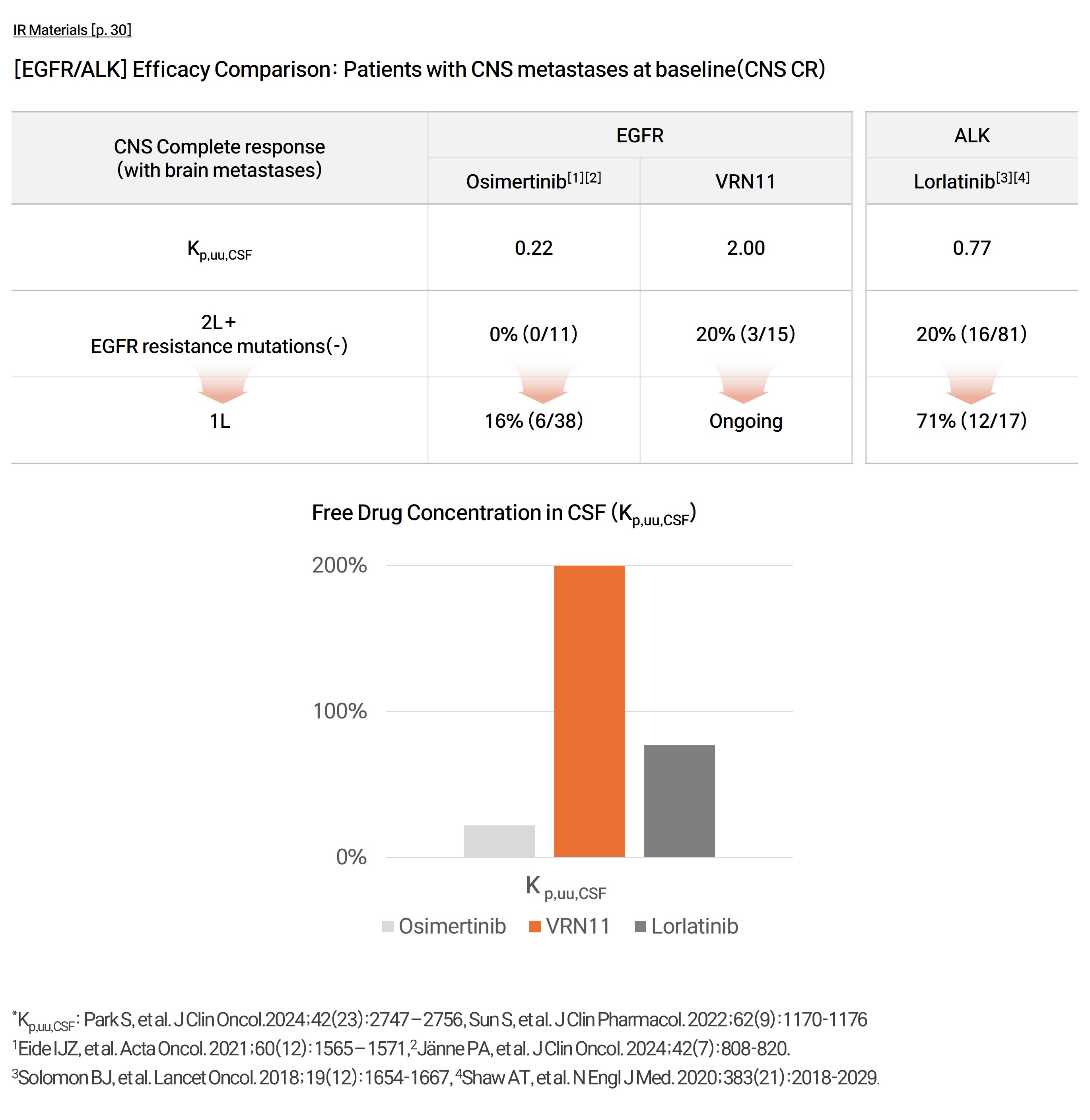
VRN11 was initially studied in patients whose disease progressed after prior EGFR therapy. Early findings included CNS penetration, activity across EGFR mutations, C797S responses, and safety. REACH-EGFR is now evaluating VRN11 in treatment-naïve patients in the first-line setting.
The efficacy and safety of VRN11 have not yet been established in treatment-naïve patients. The results in the preceding sections are from previously treated patients. This clinical trial is designed to evaluate those questions in the first-line setting.
From Later-Line Evidence to First-Line Development
Osimertinib, a third-generation EGFR therapy, was first studied in previously treated patients before being evaluated in treatment-naïve patients in FLAURA and becoming a first-line standard. VRN11 is now being evaluated to determine whether findings from earlier studies extend to the first-line setting.
Another example helps illustrate this development pathway. The table below compares EGFR-targeted therapies (osimertinib and VRN11) and the ALK-targeted therapy lorlatinib, showing how intracranial outcomes differed between previously treated and treatment-naïve patients with brain metastases side by side. Lorlatinib provides an example in which activity observed in 2L+ was subsequently demonstrated in the 1L setting.
The REACH-EGFR trial is evaluating VRN11 in the first-line setting, including its activity in systemic and CNS disease and its safety profile.
Is the VRN11 Clinical Trial Currently Enrolling?
REACH-EGFR (NCT07699328) is expanding globally, with sited in South Korea and other countries across Asia, North America, and Europe. Site activation and enrollement may vary by country and hospital.
Who May Be Considered for This Clinical Trial?
- Patients beginning treatment for EGFR-mutant lung cancer
- Patients with brain metastases or concerns about the risk of brain metastases
- Patients whose cancer has progressed after prior EGFR therapy
- Patients with an identified resistance mutation such as C797S
- Patients with an uncommon or atypical EGFR mutation
Current Recruitment Status · Participating Sites
You can check the current recruitment status and participating sites by country on the official ClinicalTrials.gov page below.
clinicaltrials.gov/study/NCT07699328 →
For patients in South Korea, the
Korean Clinical Trial Participation Portal, operated by KoNECT provides this information in Korean.
View VRN110755 on the Korean Clinical Trial Participation Portal →
Frequently Asked Questions
- Do the data above apply directly to me?
No. Most of the data shown are from previously treated patients. They do not establish the same effects in treatment-naïve patients; the ongoing first-line study is designed to evaluate this question.
Can I stop participating?
Yes. You may withdraw from the clinical trial at any time, for any reason, without penalty.
References
- Jänne PA, Planchard D, Kobayashi K, et al. CNS efficacy of osimertinib with or without chemotherapy in epidermal growth factor receptor–mutated advanced non–small-cell lung cancer. J Clin Oncol. 2024;42(7):808-820. doi:10.1200/JCO.23.02219
- Reungwetwattana T, et al. CNS Response to Osimertinib Versus Standard Epidermal Growth Factor Receptor Tyrosine Kinase Inhibitors in Patients With Untreated EGFR-Mutated Advanced Non-Small-Cell Lung Cancer. J Clin Oncol. 2018;36(33):3290-3297. doi:10.1200/JCO.2018.78.3118. (FLAURA CNS subgroup analysis: among patients with baseline CNS metastases [cFAS; osimertinib n=61, standard EGFR-TKI n=67], CNS progression occurred in 20% [12/61] vs 39% [26/67]; progression due to new CNS lesions occurred in 12% [7/61] vs 30% [20/67].)
- Planchard D, et al. Osimertinib with or without Chemotherapy in EGFR-Mutated Advanced NSCLC. N Engl J Med. 2023;389(21):1935-1948. (FLAURA2)
- Riely GJ, et al. Non–Small Cell Lung Cancer, Version 4.2026, NCCN Clinical Practice Guidelines in Oncology. J Natl Compr Canc Netw. 2026;24(4).
- Chmielecki J, et al. Candidate mechanisms of acquired resistance to first-line osimertinib in EGFR-mutated advanced non-small cell lung cancer. Nat Commun. 2023;14(1):1070. (FLAURA first-line resistance analysis)
- Chmielecki J, et al. Analysis of acquired resistance mechanisms to osimertinib in patients with EGFR-mutated advanced non-small cell lung cancer from the AURA3 trial. Nat Commun. 2023;14(1):1071. (AURA3 later-line resistance analysis; C797X 18% [14/78] in the abstract includes C797S and C797G; C797S alone was 14%.)
- Garcia-Campelo R, et al. Depth of Response and Progression-Free Survival in Patients With Advanced ALK-Positive Non–Small-Cell Lung Cancer Treated With Lorlatinib. J Clin Oncol. 2025;43(16_suppl):8589. doi:10.1200/JCO.2025.43.16_suppl.8589. (CROWN post hoc analysis)
※ VRN11 clinical data (including CNS penetration, ORR, and target engagement) are based on publicly available company IR materials and posters presented at major scientific meetings, including AACR, ASCO, ESMO, and WCLC. Please refer to source materials on the company website for details.
※ VRN11 is an investigational drug and has not been approved for commercial use.
※ This content is provided to support understanding of the clinical trial and is not intended to advertise the efficacy or effectiveness of any specific medicine.
※ Osimertinib (Tagrisso) is a registered trademark of AstraZeneca and does not imply any affiliation with Voronoi.
※ For questions about REACH-EGFR (NCT07699328), please contact the clinical trial coordinator at the participating medical institution.